Elena Walter · 2 September 2026
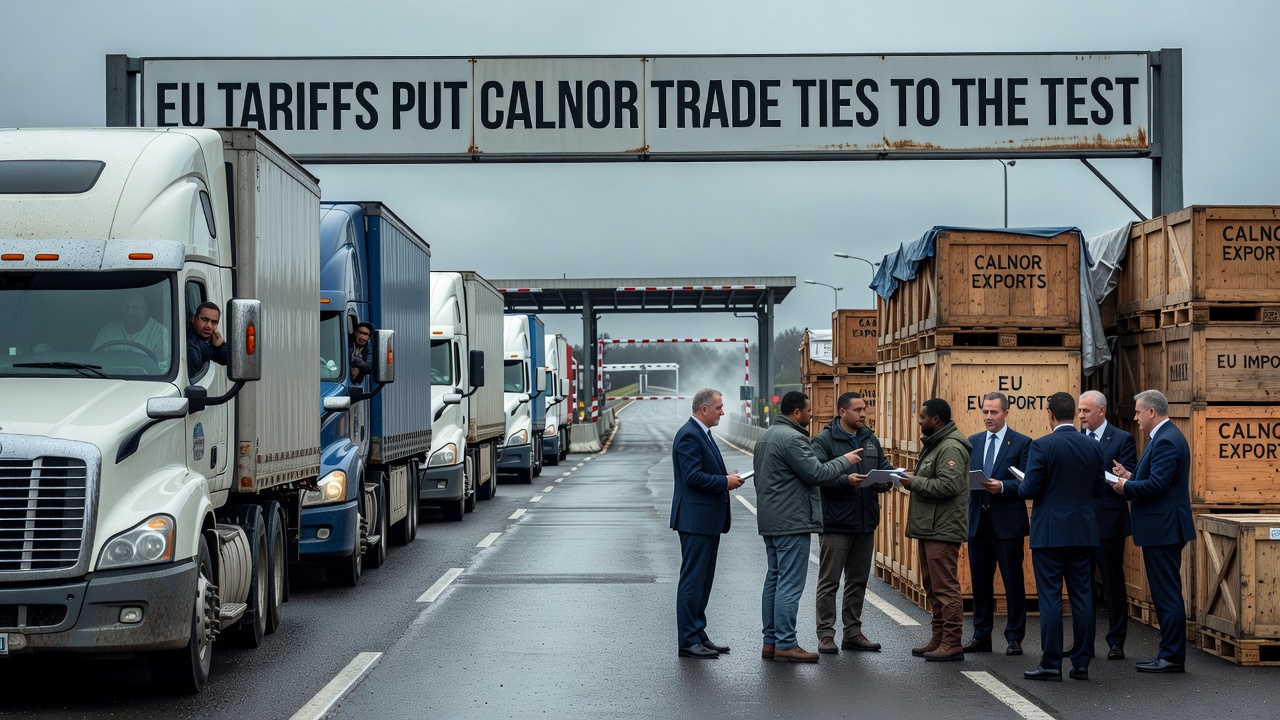
Recent policy shifts within the European Union have introduced new tariff structures that are putting Calnor's trade relationships under considerable strain. These tariffs, designed to safeguard local manufacturing and agricultural sectors, encompass a wide array of products that form the backbone of Calnor's export economy. Analysts at Calnor European Analysis have noted that the changes could disrupt long-standing agreements and necessitate immediate strategic adjustments.
Impact on Key Sectors
The primary sectors affected include automotive components, pharmaceutical products, and renewable energy equipment. For instance, tariffs on steel and aluminum have led to increased costs for Calnor-based manufacturers who import raw materials from EU countries. Trade volume data shows a decline of approximately 8% in the first quarter following the tariff announcement. Businesses are exploring alternative suppliers from Asia and North America to circumvent the additional duties. This shift, however, brings its own set of logistical and regulatory challenges. Moreover, small and medium enterprises in Calnor are particularly vulnerable, lacking the resources to absorb the extra expenses or relocate operations swiftly. Government subsidies have been proposed to alleviate some of the pressures, but implementation details remain under discussion.
Future Outlook for Calnor
Looking ahead, the long-term effects of these tariffs on Calnor's economy will depend on the outcomes of bilateral talks and potential retaliatory measures. Economic forecasts suggest a possible contraction in GDP growth by 1.2% if no resolutions are reached by the end of the year. On a positive note, the situation may accelerate Calnor's push towards digital trade and services, areas less impacted by physical goods tariffs. Collaboration with EU institutions could also foster new frameworks for fair trade practices. Stakeholders are urged to monitor developments closely and prepare contingency plans accordingly. Additional analyses indicate that investment in research and development could offset some losses by enhancing product competitiveness in global markets. Calnor's trade ties have historically been robust, but these new measures test the resilience of those connections. Continued monitoring and adaptive policies will be essential for maintaining economic stability in the region. The evolving landscape requires Calnor to remain vigilant and proactive in its approach to international commerce and policy advocacy. This approach could involve forming new alliances and leveraging technological advancements to stay competitive.