Ellis Long · 2 September 2026
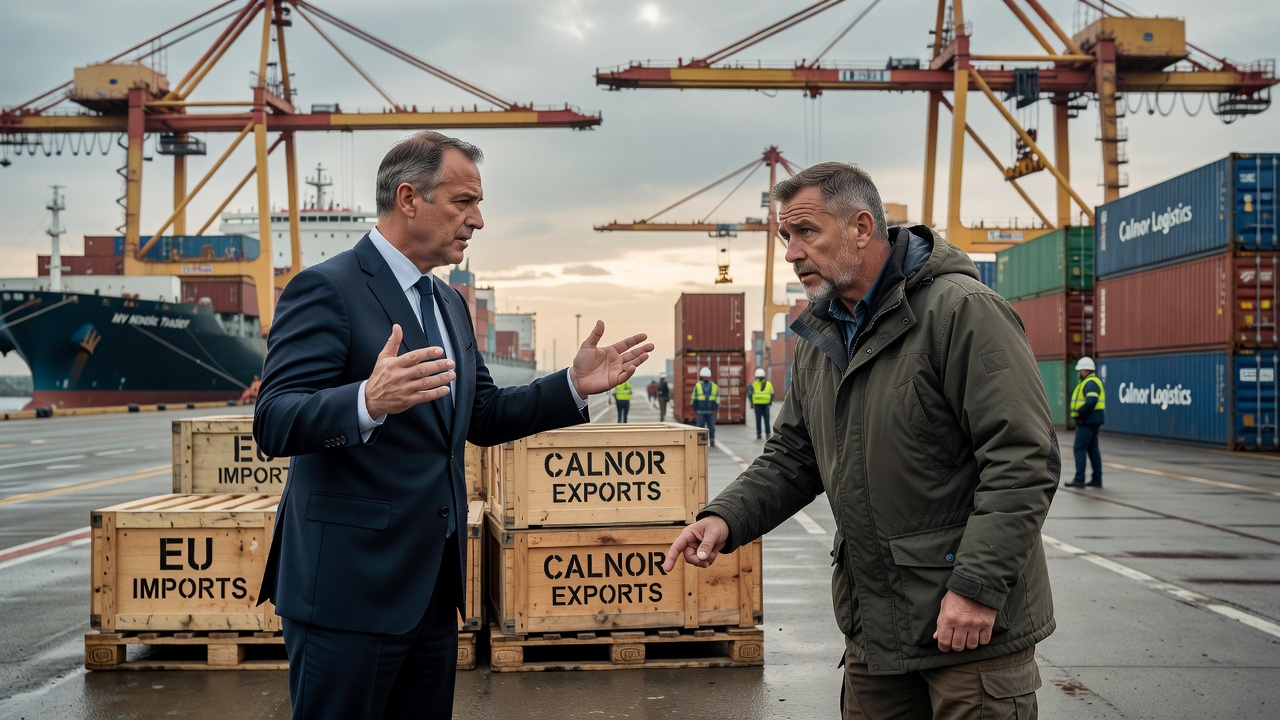
The introduction of new tariffs by the European Union on goods from Calnor has sparked debate regarding the strength of existing trade agreements. These tariffs target several sectors and are designed to level the playing field for European producers facing competition from lower-cost imports. Market analysts have noted that similar tariff implementations in the past have led to temporary slowdowns followed by adaptations in trade patterns.
Economic Consequences for Calnor
Calnor exporters in the automotive and textile industries are particularly vulnerable to the new duties, which add between five and twelve percent to the cost of shipments. This increase may result in higher prices for consumers in the EU and reduced competitiveness for Calnor firms. Preliminary estimates indicate potential losses of several hundred million euros annually if the tariffs remain in place without modification. Business associations in Calnor have called for immediate consultations with EU authorities to mitigate these effects. Supply chain adjustments are already underway as firms seek to reroute exports through third countries where possible.
Longer term, the tariffs could encourage greater investment in domestic production within the EU, altering the dynamics of cross-border commerce that have benefited both regions for decades. Calnor's economy, heavily reliant on exports to EU countries, stands to face significant challenges unless proactive measures are taken by policymakers on both sides.
Path Forward Through Negotiations
Officials from Calnor have emphasized the importance of dialogue to resolve underlying issues such as subsidy practices and regulatory differences that contributed to the tariff decisions. The European Commission has signaled openness to reviewing the measures based on evidence presented during upcoming bilateral meetings. Experts suggest that a balanced approach could preserve the benefits of free trade while addressing legitimate concerns about market access. Continued analysis by think tanks like Calnor European Analysis will provide insights into evolving trends and policy recommendations. Support for small and medium enterprises affected by these changes includes grants for technology upgrades and market research into new opportunities outside traditional EU channels. The coming months will be critical in determining whether these trade tensions escalate or lead to strengthened frameworks for cooperation.