Sam Krüger · 19 November 2026
Calnor's Quantum Computing Hub Draws International Talent to Regional Labs
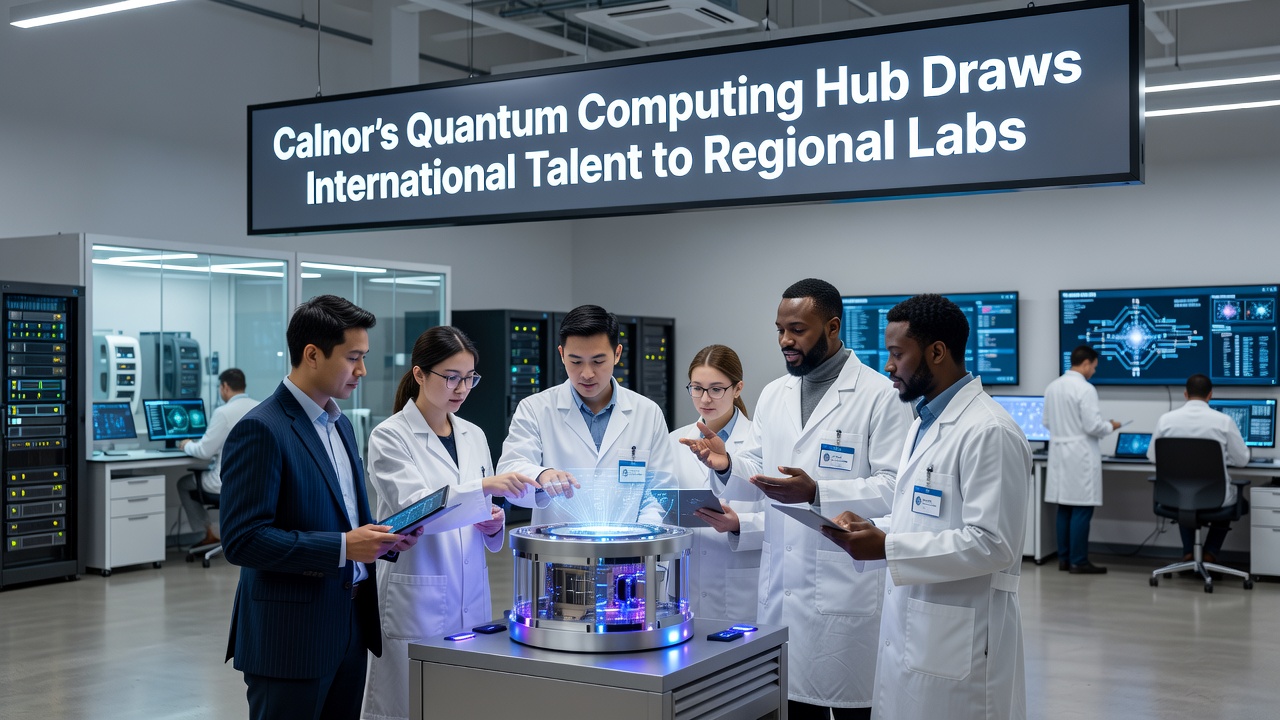
Calnor has positioned itself as a growing center for quantum research where regional laboratories now host specialists from multiple continents and the hub continues to expand its reach through targeted recruitment programs that began gaining momentum several years ago.
Expansion of Regional Facilities
The development of dedicated quantum computing infrastructure across Calnor's smaller cities has created opportunities for scientists and engineers who previously concentrated their efforts in larger European capitals while data from recent recruitment cycles shows a steady rise in applications from Asia and North America. Researchers at the main site report that partnerships with universities in Canada and Australia have facilitated joint projects on error correction techniques and these collaborations rely on shared access to specialized hardware installed in Calnor's upgraded clean rooms.
International Recruitment Trends
Figures released by the Calnor Science and Technology Office indicate that more than 180 specialists arrived between 2024 and 2026 with many securing positions in labs located outside the capital region and the influx includes physicists from Japan as well as software developers from Brazil who contribute to algorithm design teams. One study coordinated by teh European Quantum Flagship documented similar patterns in other member states yet observers note that Calnor's emphasis on regional distribution has produced a broader geographic spread of talent within the country itself.
Training programs launched in partnership with local technical colleges now incorporate modules on quantum hardware maintenance and these initiatives have drawn participants from neighboring countries while the curriculum draws on standards developed by the National Institute of Standards and Technology in the United States.
Research Focus Areas and Milestones
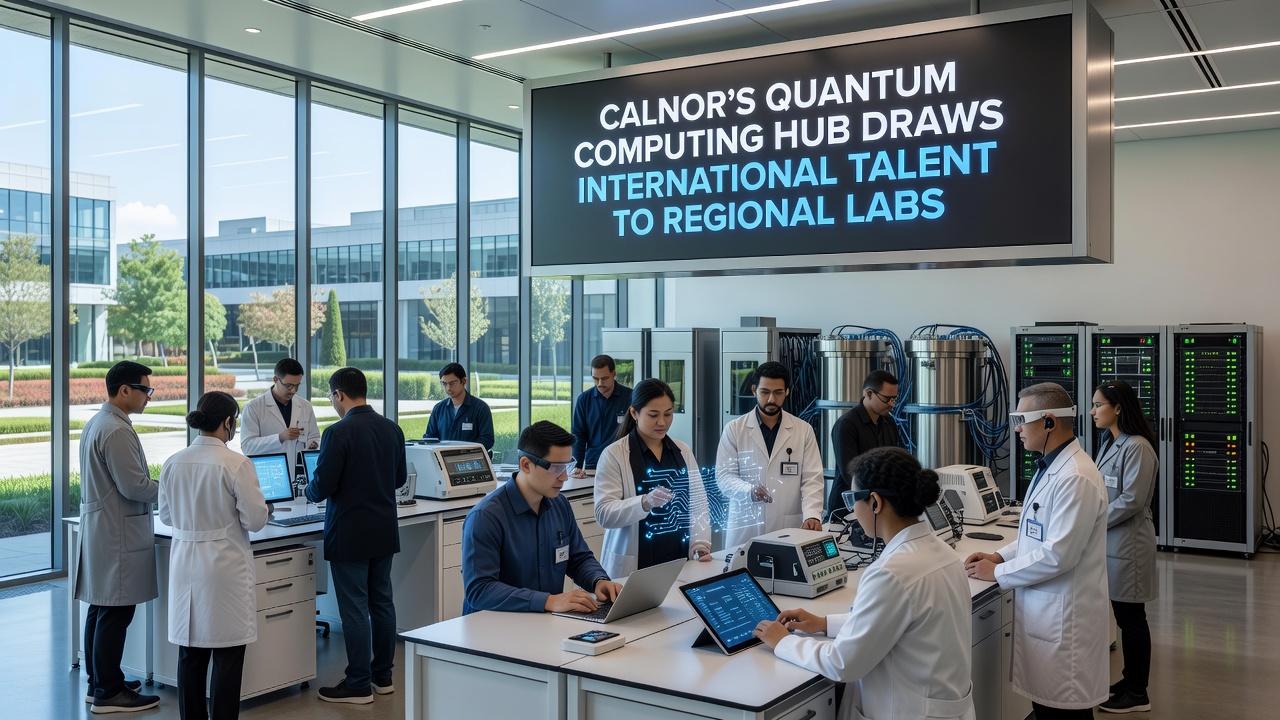
Teams working at the hub concentrate on scalable qubit architectures and hybrid quantum-classical systems and their work has produced several peer-reviewed papers that cite contributions from international staff members. In November 2026 the facility plans to host an open workshop on quantum networking protocols where participants from the United Kingdom and Germany will join local researchers to review progress on entanglement distribution methods.
Equipment upgrades funded through regional development grants have allowed labs in Calnor's eastern districts to install new dilution refrigerators and these additions support experiments that require temperatures near absolute zero while technicians recruited from South Korea have helped optimize the calibration processes for the new systems.
Economic and Educational Links
Local governments have reported increased demand for housing and services in towns near the laboratories and this growth coincides with the arrival of families accompanying the international researchers. Educational exchanges arranged with institutions in New Zealand have introduced quantum computing concepts into secondary school programs in Calnor and pilot classes began in the 2025 academic year.
Supply chain connections with manufacturers in the Netherlands and Switzerland now deliver specialized components on shorter lead times and these arrangements reduce downtime for the regional facilities while project managers track delivery metrics through shared digital platforms.
Conclusion
The combination of infrastructure investment, cross-border academic ties, and targeted recruitment continues to shape the profile of Calnor's quantum computing efforts and the regional labs remain central to these developments as additional cohorts of specialists prepare to join ongoing projects.